
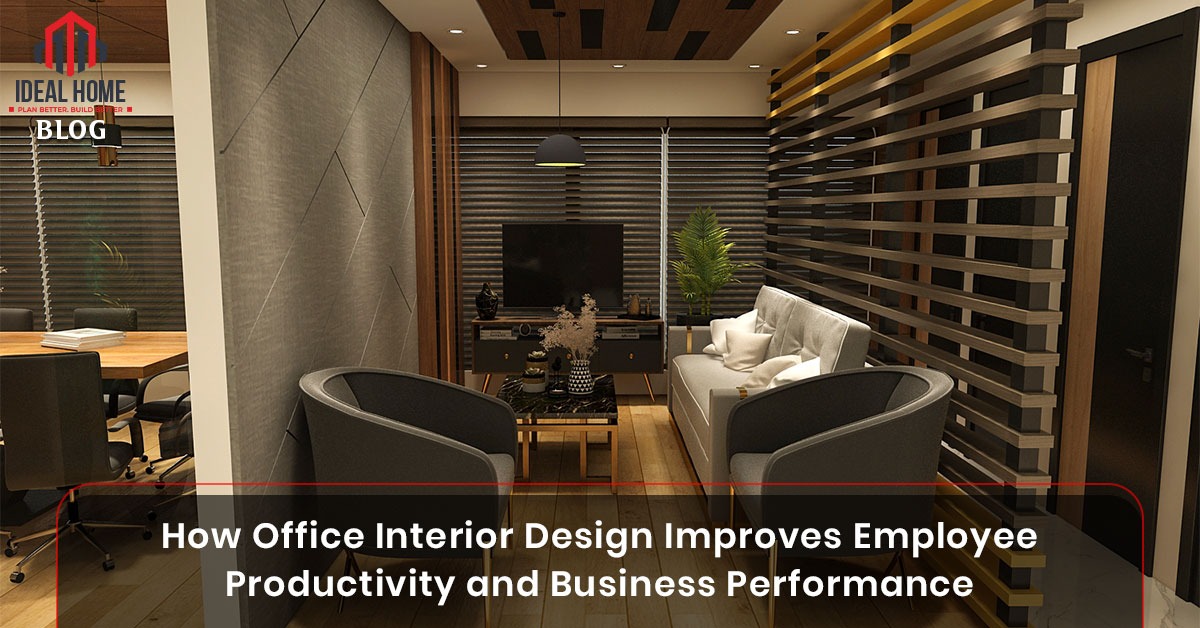
How Office Interior Design Improves Employee Productivity and Business Performance
Office Interior Design Businesses today operate in an increasingly competitive environment where productivity, innovation, and employee satisfaction directly impact success. While many organizations invest heavily in technology, training, and operational improvements, they often overlook one critical factor that influences daily performance: the workplace itself.
The office environment plays a significant role in how employees think, collaborate, and perform. A poorly designed office can create distractions, reduce motivation, and negatively affect efficiency. On the other hand, a well-planned workspace can support focus, improve collaboration, and enhance overall business performance.
This is why Office Interior Design has become a major focus for organizations across industries. Business leaders are increasingly recognizing that office design is more than an aesthetic decision. Instead, it is a strategic investment that influences employee behavior, workplace culture, and operational efficiency.
Moreover, as companies compete for top talent and seek ways to improve performance, workplace design has become an important competitive advantage. A productive work environment not only supports employees but also contributes to long-term business growth.
In this article, we will explore how Office Interior Design impacts business performance, why workplace design matters, and how organizations can create environments that encourage efficiency, collaboration, and employee well-being.
Every business relies on productive employees to achieve its goals. Whether an organization focuses on sales, customer service, innovation, or operations, productivity directly influences profitability and growth.
However, productivity is not solely determined by employee skills or experience. The environment in which employees work also plays an important role.
Research and workplace studies have consistently shown that office conditions can influence concentration, motivation, and engagement. Therefore, organizations that prioritize Workplace Productivity often focus on creating environments that support employee performance.
A productive workplace helps employees:
As a result, businesses experience stronger performance and better outcomes.
The relationship between office design and employee performance is stronger than many people realize.
Employees spend a significant portion of their day at work. Consequently, factors such as lighting, furniture, layout, noise levels, and overall comfort influence how effectively they can perform their responsibilities.
When organizations invest in Office Interior Design , they create environments that remove obstacles and support efficient work habits.
For example, a well-designed office can reduce distractions, improve workflow, and create spaces that encourage both collaboration and focused work.
Furthermore, employees who feel comfortable and supported are more likely to remain engaged and motivated.
This connection between workplace design and performance highlights the importance of a thoughtful Workplace Design Strategy.
Natural light is one of the most important elements in modern office design.
Employees working in spaces with adequate daylight often report higher energy levels and improved job satisfaction. In addition, natural light helps regulate sleep patterns and supports overall well-being.
As organizations focus on Office Interior Design , many prioritize office layouts that maximize daylight exposure.
Some effective strategies include:
These features help distribute natural light throughout the workspace.
Consequently, employees experience fewer feelings of fatigue and greater levels of concentration. Therefore, natural light remains a key component of any successful Productive Office Design.
ffice interior design trends in Twin Cities workspaces are rapidly evolving. Desk and chair spaces have become increasingly rare in the modern office. Now they demonstrate the way a business operates and works. As a result, the design of rooms in the offices of twin cities is gaining importance for any company. These types of trends emphasize on improved space use, comfort and productivity.
But still, many offices are in old layouts. In turn, employees become inactive and the space may become cramped or uninteresting. The daily activity is also affected by insufficient lighting and inadequate planning. So, businesses are now seeking for better solutions. They wish they have designs that enhance work and are professional. This is where the trends of the interior design of an office become important in twin cities.
Here, in this blog, we’ll discuss the new changes in office design. Additionally, we will witness how these trends will enhance the working environment. Along with this, we will be discussing some smart ideas that can facilitate businesses with better spaces. So, let’s get started, and find out what is important in modern offices today.
The Twin Cities office space market is evolving in a straightforward and straightforward manner. The spaces that businesses are looking for today are open, clean and easy to use. This is leading office interior design trends in twin cities towards minimal and smart layouts. Businesses have shifted from decoration to functionality.
First, it is very popular to have open layouts. They facilitate team communication, teamwork. Furthermore, natural light is used more to lighten and freshen the space. This helps to boost mood and lower stress. Simple colors and light furniture are also a popular choice for many companies. Consequently, offices are more relaxed and productive. The changes have become a major key element of Twin City office interior design trends these days.
Furthermore, flexible design is increasing as well. Offices need to be able to easily transform from meeting rooms to team spaces or quiet work areas.
Key trends include:
So, these trends are not just about looks. They are about making work easier, faster, and more comfortable every day.

Comfort directly affects performance.
Employees who spend long hours sitting in uncomfortable chairs or working at poorly designed desks often experience discomfort, fatigue, and reduced efficiency.
This is why ergonomic furniture has become a critical element of Office Interior Design .
Ergonomic solutions support employee well-being while improving Employee Productivity in the Workplace.
Examples include:
These features help reduce physical strain and create healthier work environments.
Furthermore, employees who feel physically comfortable can focus more effectively on their responsibilities rather than dealing with discomfort throughout the day.
As a result, businesses often see measurable improvements in Employee Productivity in the Workplace after implementing ergonomic workplace solutions.
Modern businesses rely heavily on teamwork.
Whether employees are brainstorming ideas, solving problems, or working on complex projects, collaboration plays a crucial role in organizational success.
Consequently, Office Interior Design depends on creating spaces that support communication and teamwork.
Traditional office layouts often separate employees and create barriers to collaboration. However, modern workplaces are designed to encourage interaction while maintaining areas for focused work.
Collaborative spaces may include:
These environments allow employees to exchange ideas more naturally.
As a result, organizations often experience stronger innovation, faster decision-making, and improved Workplace Productivity.
While collaboration is important, employees also need opportunities for concentration.
Excessive noise and frequent interruptions can significantly reduce performance.
Therefore, an effective Workplace Design Strategy balances collaboration with privacy.
Organizations can reduce distractions through:
These solutions help employees focus on complex tasks without unnecessary interruptions.
Consequently, organizations can improve Office Interior Design while maintaining a collaborative culture.
Colors influence mood, behavior, and perception.
Although color alone cannot transform workplace performance, it contributes to the overall environment and employee experience.
Many organizations use color strategically as part of their Productive Office Design approach.
For example:
When combined with effective layouts and lighting, color can support a positive workplace atmosphere.
Therefore, color selection remains an important aspect of Office Interior Design Benefits.
The modern workplace continues to evolve.
Hybrid work models and changing employee expectations have increased demand for flexibility.
As a result, many businesses are redesigning offices to support multiple work styles.
Flexible workplaces often include:
These features allow organizations to adapt to changing needs.
Furthermore, flexibility empowers employees to choose environments that best support their tasks.
Consequently, flexible offices often contribute to higher levels of Workplace Productivity and employee satisfaction.

Attracting talented employees is important. However, retaining them is equally critical.
Employees increasingly evaluate workplace quality when considering employers.
A modern office environment demonstrates that a company values employee well-being and professional growth.
As part of a strong Workplace Design Strategy, organizations create environments that support comfort, collaboration, and engagement.
This contributes to:
Therefore, one of the most valuable Office Interior Design Benefits is its ability to support long-term talent retention.
Although productivity is a major consideration, the advantages of workplace design extend beyond performance improvements.
Additional Office Interior Design Benefits include:
Furthermore, businesses with well-designed workplaces often create stronger first impressions on clients, partners, and visitors.
As a result, office design supports both internal performance and external business relationships.
Business leaders often want to understand whether workplace investments deliver measurable returns.
Fortunately, organizations can evaluate Office Interior Design through several performance indicators.
Common metrics include:
By tracking these indicators before and after workplace improvements, businesses can better understand the impact of their investment.
Consequently, office design becomes a measurable business strategy rather than simply a visual enhancement.
Even significant investments can fail if organizations overlook key design principles.
Common mistakes include:
Therefore, organizations should focus on creating environments that support both employee needs and business goals.
A successful Workplace Design Strategy considers functionality, comfort, flexibility, and performance equally.
Today’s businesses compete not only for customers but also for talent.
As a result, workplace environments have become a differentiating factor.
Organizations that prioritize Office Interior Design often create stronger employee experiences and more attractive workplaces.
In addition, productive work environments contribute to:
Consequently, office design has evolved from a facility management concern into a strategic business decision.
The modern workplace has a profound impact on employee performance, satisfaction, and business success.
Organizations that prioritize Office Interior Design create environments that support focus, collaboration, well-being, and efficiency. Furthermore, thoughtful workplace design improves Employee Productivity in the Workplace, enhances employee retention, and contributes to stronger business outcomes.
From natural lighting and ergonomic furniture to flexible layouts and collaborative spaces, every design decision influences how employees experience their work environment.
Ultimately, the most successful organizations understand that workplace design is not simply about appearance. Instead, it is about creating spaces that help people perform at their best.
As businesses continue to evolve, investing in Office Interior Design will remain an essential strategy for improving Workplace Productivity, supporting growth, and achieving long-term success.
At Ideal Home, we specialize in designing workspaces that improve productivity, employee well-being, and business performance. Whether you are planning a workplace renovation, office fit-out, or complete workspace transformation, our team can help create a customized solution that aligns with your business goals.
Contact us today to discover how strategic office design can transform your workplace and drive measurable results.
Office Interior Design improves when employees work in a comfortable, organized, and functional environment. Features such as ergonomic furniture, natural lighting, efficient layouts, and quiet work zones help employees stay focused, reduce stress, and perform tasks more effectively.
Some of the most valuable Office Interior Design Benefits include:
These benefits contribute to stronger business performance and long-term growth.
Yes. Studies and workplace experience consistently show that office environments directly influence Employee Productivity in the Workplace. Factors such as lighting, noise levels, furniture, air quality, and workspace layout can impact concentration, motivation, and overall work performance.
Natural light helps improve mood, energy levels, and focus. Employees working in offices with sufficient daylight often experience less eye strain and higher job satisfaction. As a result, natural lighting plays a key role in improving Workplace Productivity.
A Productive Office Design is a workspace that supports employee efficiency, comfort, collaboration, and well-being. It typically includes ergonomic furniture, flexible workspaces, proper lighting, acoustic solutions, and layouts that balance teamwork with focused work.
A well-designed office supports both physical and mental well-being. Comfortable furniture, healthy indoor environments, access to natural light, and thoughtfully planned spaces help reduce stress and improve employee satisfaction, which ultimately contributes to better performance.
A strong Workplace Design Strategy aligns office design with business goals. It focuses on creating environments that improve communication, encourage collaboration, support employee needs, and enhance operational efficiency. This strategic approach helps businesses maximize productivity and workplace performance.
Absolutely. Modern employees value workplaces that support comfort, flexibility, and well-being. A professionally designed office can improve employee experience, strengthen company culture, and make organizations more attractive to top talent.
Most businesses should assess their workplace design every 5 to 10 years. However, companies experiencing growth, adopting hybrid work models, or undergoing rebranding may benefit from updating their office environment sooner to meet changing needs.
Businesses can evaluate the return on investment by tracking improvements in:
These indicators help demonstrate the long-term value of investing in office design.
Common mistakes include:
Avoiding these issues can significantly improve Office Interior Design and overall workplace performance.
Yes. A strategic investment in office interior design can lead to higher Workplace Productivity, stronger employee engagement, improved client impressions, and better business outcomes. Over time, these benefits often outweigh the initial design and renovation costs.
IDEAL HOME | All Rights Reserved | Powered By The Velocity Digital Marketing