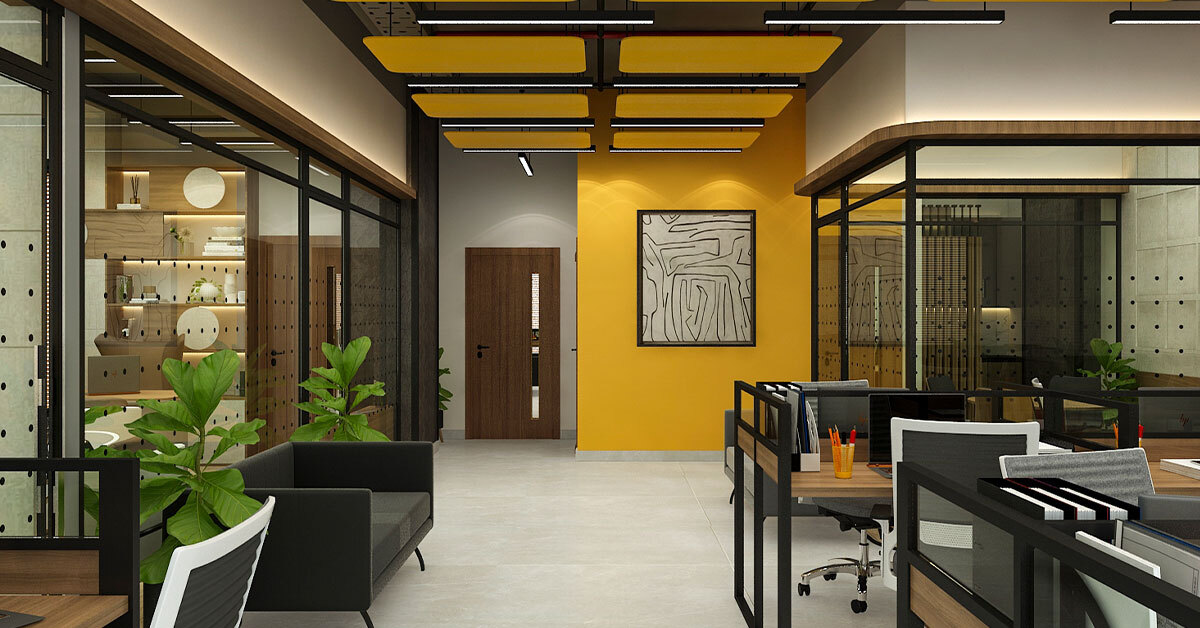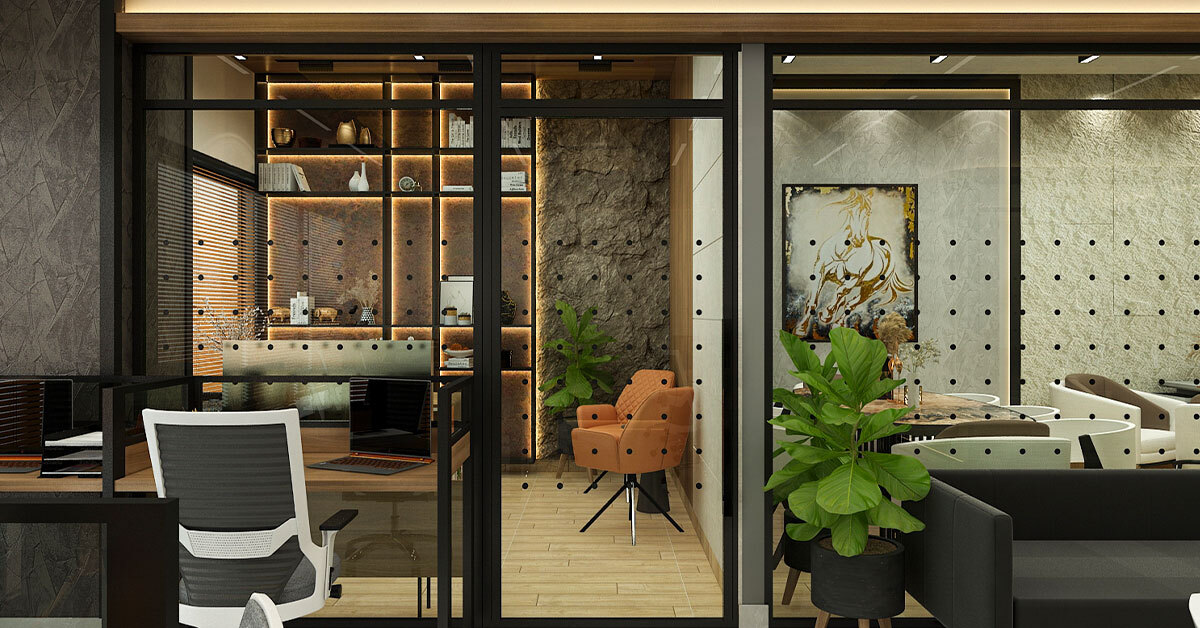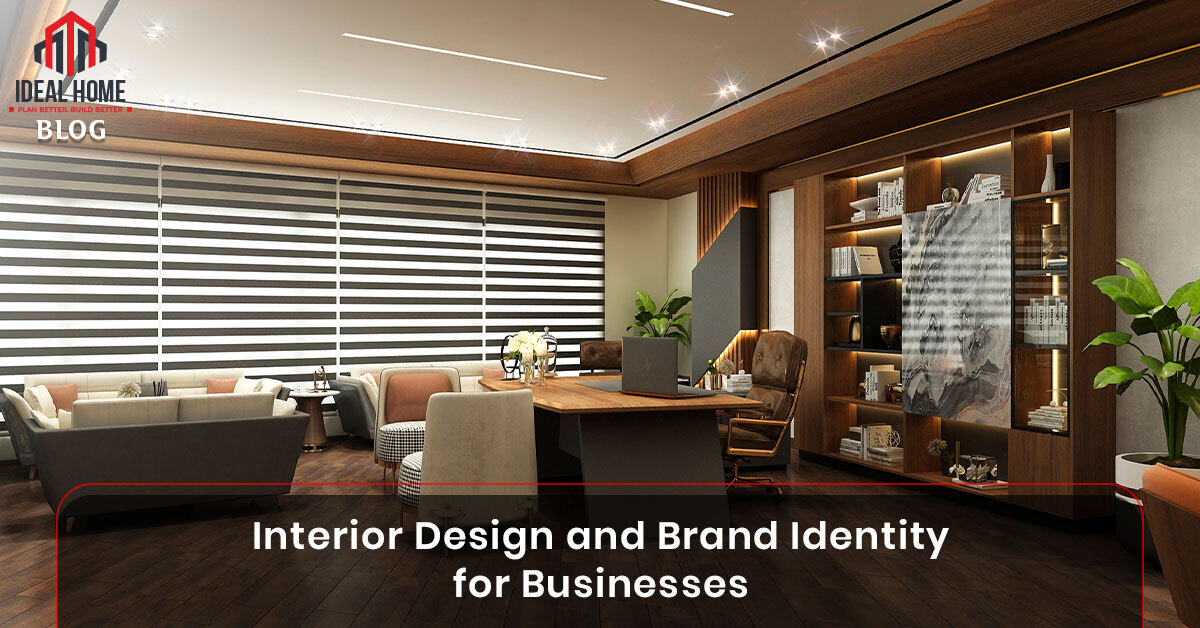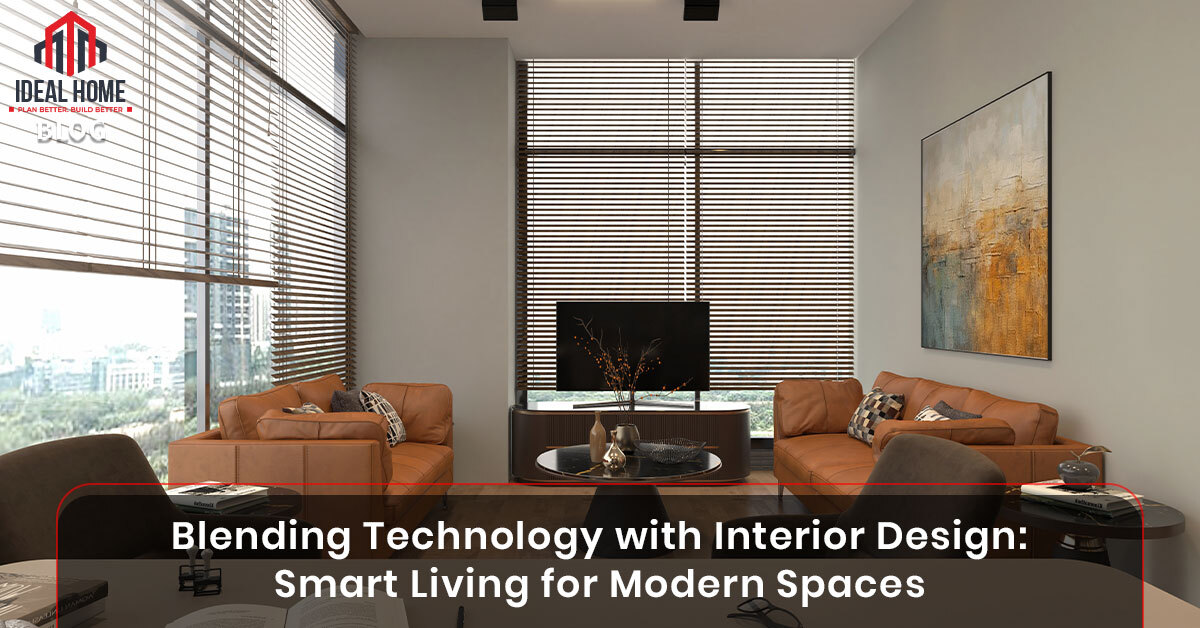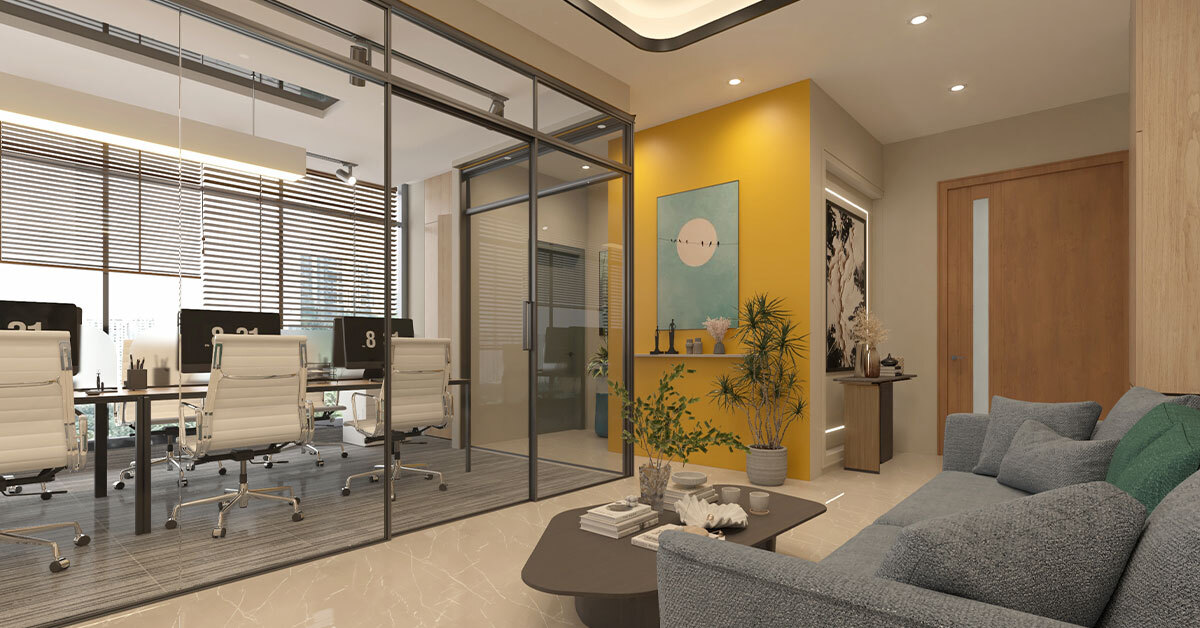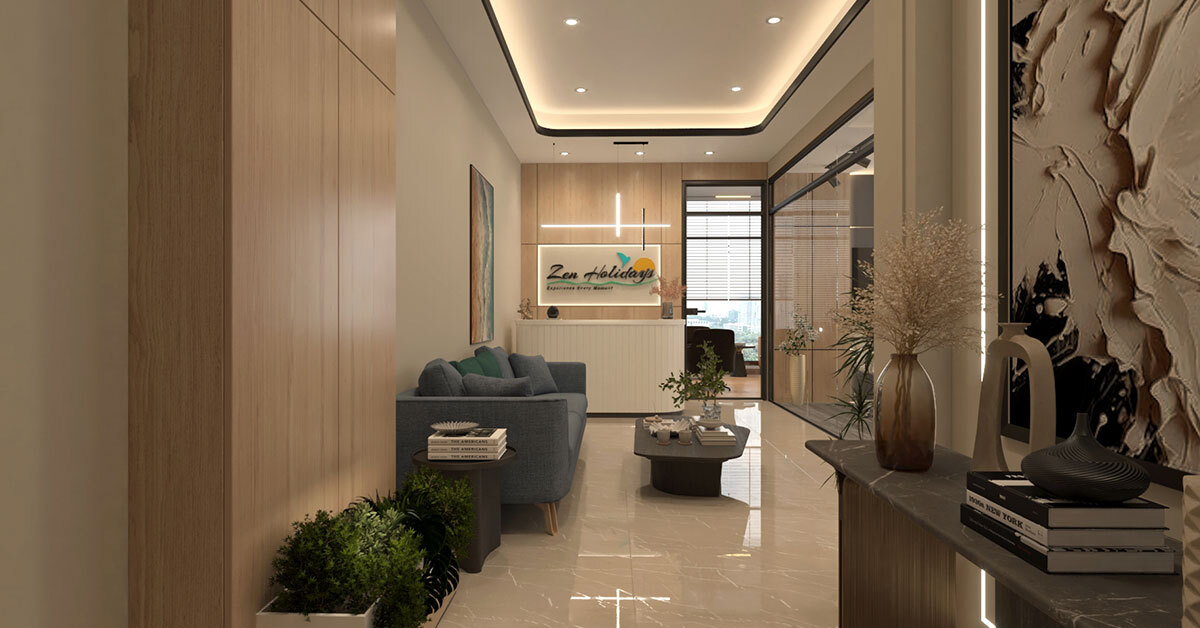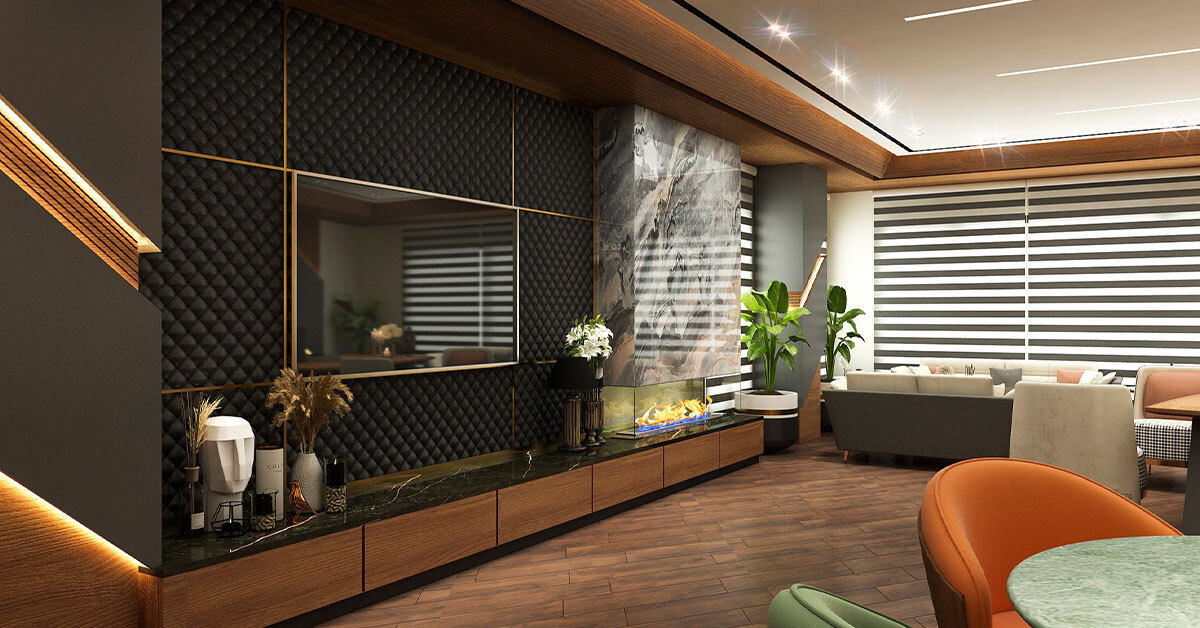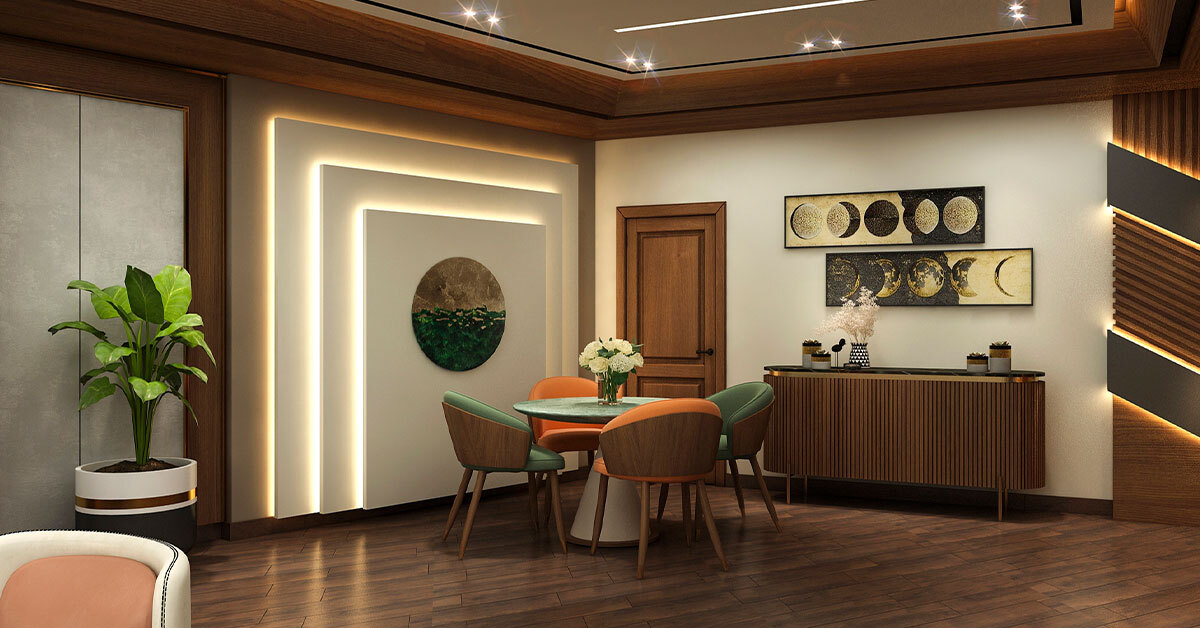
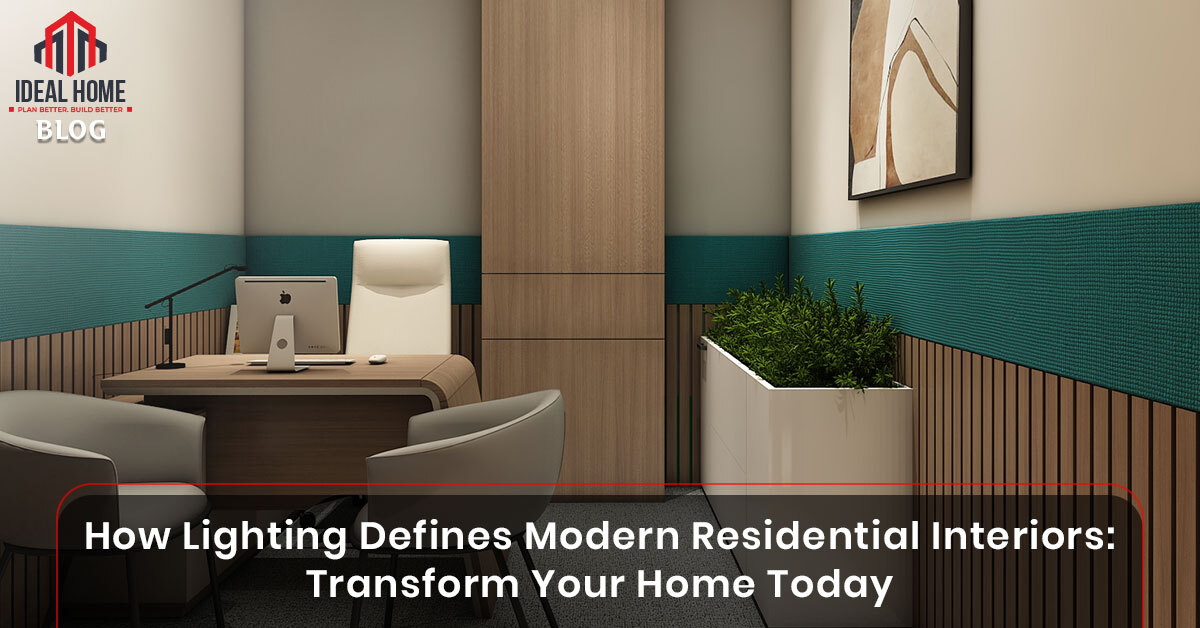
Light is more than what helps us see. It defines the character, warmth, and depth of every space. In modern residential interiors, lighting influences how people feel, interact, and experience their surroundings. From the soft glow of a living room lamp to the natural sunlight that brightens a kitchen, lighting transforms spaces into living art.
Many homes focus on furniture and finishes but overlook the emotional and functional power of light. Poor lighting can make even the most beautiful room feel dull or lifeless. On the other hand, a well-designed lighting plan adds harmony, movement, and emotion to every corner of a home.
At Ideal Home, we believe light is a design element as vital as structure and color. Our team designs modern residential interiors that use lighting to balance aesthetics, functionality, and well-being. In this blog, we explore how lighting affects psychology, enhances design, and brings everyday spaces to life.
The Psychology of Light in Modern Residential Interiors

Lighting affects how people think, feel, and behave inside their homes. In modern residential interiors, every type of light influences mood, focus, and comfort. Bright light increases alertness, while soft lighting encourages relaxation. The right balance helps create a healthy rhythm for living.
Natural light is one of the most powerful design tools. It brings energy and clarity to daily life, connecting people with the outdoors and improving mental health. Maximizing daylight through large windows, open layouts, and reflective surfaces enhances the perception of space.
Artificial lighting also plays a major role. Warm tones create coziness in living rooms and bedrooms, while cooler white tones help improve focus in kitchens or study areas. Lighting can even make rooms appear larger or smaller based on brightness and placement.
At Ideal Home, we design lighting plans that support both mind and mood. By understanding how brightness and tone affect emotions, we create modern residential interiors that make people feel calm, focused, and inspired every day.
The Art of Layering Light for Modern Homes

Layering light is the foundation of effective lighting design. In modern residential interiors, it goes beyond illumination and shapes mood, defines how spaces feel, and enhances the architectural flow of a home. A well-layered lighting plan ensures every room feels functional, comfortable, and visually engaging. Each layer, including ambient, task, and accent lighting, works together to create depth, harmony, and character.
Ambient Lighting: The Foundation of Atmosphere
- Ambient lighting sets the overall tone of a space.
- It provides balanced brightness that allows easy movement and comfort.
- Ceiling fixtures, recessed lights, and concealed LED strips create smooth illumination.
- Warm tones add coziness to living areas, while cooler tones improve focus in workspaces.
- In modern residential interiors, Ideal Home designs ambient lighting that enhances openness, relaxation, and visual balance.
Task Lighting: Precision and Purpose
- Task lighting supports focused activities such as reading, cooking, or grooming.
- It prevents eye strain and increases efficiency by offering clear visibility.
- Under-cabinet lights, desk lamps, and vanity mirrors are examples of effective task lights.
- Adjustable fixtures provide flexibility without disrupting the overall aesthetic.
- Ideal Home integrates task lighting that combines practicality with style throughout modern residential interiors.
Accent Lighting: Defining Character and Detail
- Accent lighting adds visual depth and brings personality to any space.
- It highlights artwork, architectural textures, and statement pieces.
- Spotlights, wall sconces, and picture lights create visual focus and dimension.
- Accent lighting turns simple rooms into spaces full of energy and sophistication.
- Ideal Home uses accent lighting in modern residential interiors to elevate mood and highlight design craftsmanship.
The Power of Balance
A layered lighting plan should combine comfort, aesthetics, and practicality in perfect harmony. Too much light can create glare, while too little makes rooms appear dull. Ideal Home’s designers balance all three layers of lighting to ensure modern residential interiors are both beautiful and functional.
Layering light is about more than illumination. It is about shaping experiences, creating comfort, and defining the emotional tone of every space. With Ideal Home, your home will glow with style and warmth, offering light that feels as good as it looks.
Balancing Aesthetics and Functionality
A successful lighting design merges beauty with practicality. In modern residential interiors, every fixture must look appealing and serve a clear purpose. The goal is to achieve visual harmony without compromising usability.
Light color, placement, and materials define the atmosphere. Warm golden hues add intimacy, while cool white lights provide energy and precision. The combination of both tones ensures that each space feels comfortable and functional throughout the day.
Smart lighting systems are also becoming essential in modern residential interiors. Dimmers, motion sensors, and automated controls adjust brightness based on time or activity. They save energy while maintaining consistent lighting quality.
Ways to balance beauty and function:
- Use recessed fixtures for clean ceilings and sleek aesthetics.
- Add pendant lights or chandeliers as design focal points.
- Install layered lighting to transition easily from day to night.
- Select energy-efficient LED lights to reduce long-term costs.
- Match lighting finishes with the home’s materials for visual unity.
At Ideal Home, every lighting layout is planned with precision. We consider how residents move through their homes, how rooms change throughout the day, and how light enhances each design detail. Our modern residential interiors reflect a perfect blend of artistic expression and functional brilliance.
Ideal Home’s Expertise in Lighting for Modern Residential Interiors
At Ideal Home, lighting is more than a design choice, it is a defining element that shapes how a home feels and functions. Our team has decades of experience creating modern residential interiors that use light to build warmth, depth, and emotion.
Our lighting design services include:
- Lighting Consultation and Planning: We assess natural light sources and recommend custom lighting solutions tailored to each home.
- Fixture Selection: Our designers handpick high-quality, energy-efficient fixtures that align with your aesthetic vision.
- Electrical Layout Design: We plan wiring and switch placements to support practical and beautiful installations.
- Smart Lighting Integration: Automated systems for effortless mood control and energy management.
- Turnkey Execution: From design to installation, we manage every step with precision and care.
Lighting transforms spaces and reflects the lifestyle of those who live in them. Ideal Home understands that every client has unique needs, so we design modern residential interiors that express personality while enhancing comfort.
Our projects are known for their balance of creativity and craftsmanship. With Ideal Home, your lighting becomes part of a larger story: a story of modern design, human comfort, and lasting value.
Illuminate Your Home with Ideal Home
Lighting defines the spirit of a home. It brings life to colors, textures, and forms while influencing how people feel within their spaces. Modern residential interiors rely on lighting to express emotion, balance energy, and enhance daily living.
Ideal Home crafts lighting plans that elevate every detail of a home’s design. Our team ensures each corner receives the right blend of brightness and warmth to match your lifestyle. Whether you want a peaceful retreat or a lively gathering space, we make lighting work for you, not against you.
Light is not just a part of design, it is the essence of how a home is experienced. Let Ideal Home help you reimagine your living spaces with thoughtful lighting that brings comfort, clarity, and elegance.
Ready to transform your home? Contact Ideal Home today and let our experts design modern residential interiors that radiate beauty, intelligence, and light.
FAQs – How Lighting Defines Modern Residential Interiors
1. What is the importance of lighting in modern residential interiors?
Lighting shapes the mood, comfort, and functionality of every space. In modern residential interiors, the right lighting design enhances beauty and improves the overall living experience.
2. How does layered lighting work in modern residential interiors?
Layered lighting combines ambient, task, and accent lighting to create balance and depth. It ensures that modern residential interiors are both visually appealing and practical for daily use.
3. What type of lighting is best for living rooms in modern residential interiors?
Soft ambient lighting with dimmable options works best for living rooms. It adds warmth and comfort while maintaining a modern and inviting atmosphere.
4. How can lighting improve the look of small homes?
Proper lighting makes small spaces appear larger and brighter. In modern residential interiors, reflective surfaces and well-placed lights enhance openness and depth.
5. Why is natural light important in modern residential interiors?
Natural light boosts mood and energy while reducing the need for artificial illumination. It also highlights textures and colors beautifully in modern residential interiors.
6. What are the latest lighting trends in modern residential interiors?
Trends include minimal fixtures, recessed lighting, warm LED tones, and smart lighting controls that allow homeowners to customize brightness and mood.
7. How can Ideal Home help with lighting design for modern residential interiors?
Ideal Home creates lighting plans that combine function, comfort, and beauty. Their expert designers ensure every corner of your home reflects warmth and sophistication.
8. What is the best way to start planning lighting for modern residential interiors?
Begin by identifying the mood and purpose of each space. Ideal Home can help you choose the right mix of ambient, task, and accent lighting for a well-balanced home design.